
Patient Centric Sampling and Quantitative Multiomics – Overcoming the Challenges for Routine Implementation
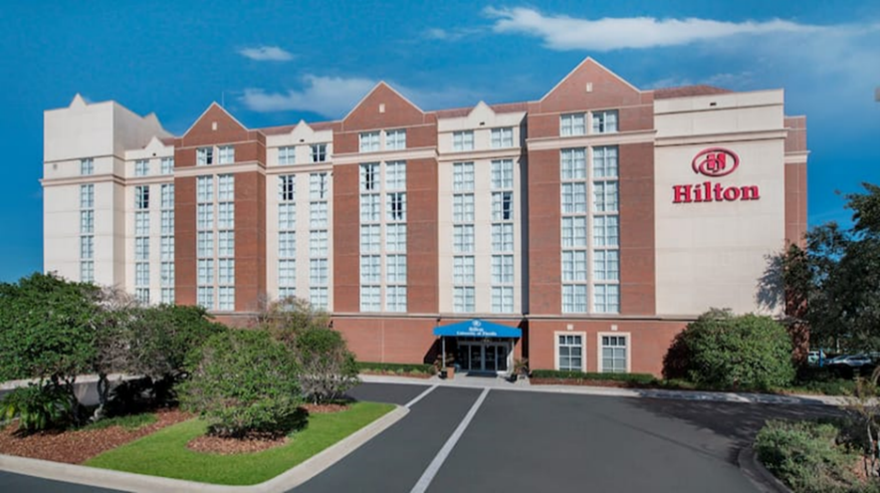
Hilton University of Florida Conference Center, Gainesville, Florida, USA – December 1-3, 2026

Mission
To define and address the barriers to the more widespread understanding of patient centric sampling for quantitative multiomics and its implementation for human healthcare and wellbeing.
Conference Overview
Measuring a wide range of biomarkers like proteins, metabolites, lipids, oligonucleotides, etc, unlocks deeper insights to better understand human biology and contribute to our health and wellbeing. This combined multiomics approach has the possibility to move diagnostics beyond the clinic and into everyday life, helping not just those in treatment selection and monitoring, but engaging with the broader “healthy” population as well. Pairing multiomics with patient centric home sampling approaches adds the dimension of convenience and accessibility, opening up healthcare possibilities to existing underserved populations (remote communities, elderly, minorities, children, etc). While the opportunity for more personalized, inclusive and proactive healthcare is clear , there are several challenges associated with routinely implementing these approaches:
- What patient populations are best served by this approach?
- How to actively engage with patients and include their voice in research
- How do we reliably quantitate these different types of molecule, in order to make considered clinical decisions?
- How does the sample logistics work to collect a high-quality sample and deliver it intact to the analytical laboratory, where it can be efficiently analysed and the data shared with the patient and their clinician?
Join us for this stand out PCSIG event, where you will learn about patient centric sampling for quantitative multiomics and actively contribute to facilitator-led discussions focussing on defining these challenges to its routine implementation. We will then work together to prioritise these challenges and discuss how we can overcome them. Output from this event will include devising a plan for future activities to help bring this approach closer to routine implementation, i.e. publications, webinars, conference presentations, working groups, etc.
Target Audience
The target audience for this event includes all those that are involved in the research and implementation of ‘omics approaches associated with human health and wellbeing. This includes patients, clinicians, clinical chemistry scientists, central laboratories, laboratory diagnostics providers, academics, pharmaceutical companies, contract research organisations, healthcare administrators, regulators, vendors of sampling technologies and analytical platforms, logistics providers and others that are interested in moving these approaches to the point where they can be routinely utilised.
The event is agnostic to the technologies and platforms used for all aspects of sample collection, processing, logistics, analytical approaches, data interpretation and delivery, etc.
Location Overview
Our event is located at the Hilton University of Florida, which is conveniently located on the University of Florida campus. The scientific events, catering, social events and accommodation are all located in this single location, facilitating an inclusive, collaborative atmosphere for this workshop-based event. The venue is also well placed for local attractions, domestic and international airport links.
Registration
Registration for the event is $500, which includes full registration for the event for a single delegate, including food service, but not including accommodation. Places are limited to 120, so please don’t delay in reserving your place.
Early bird registration of $400 is available before 1st August 2026.
Please follow this link to register for the event.
Accommodation
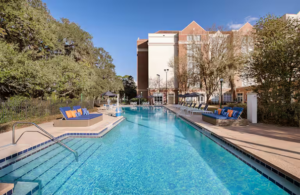
The Hotel partner for this event is University of Florida Conference Center Gainesville, 1714 SW 34th Street, Gainesville, Florida, 32607, USA. Rooms for the event are available at $157 per night (including applicable state, local and occupancy taxes) using this link.
Travel
The event is located at the Hilton University of Florida Conference Center, Gainesville, Florida, which is on the Southwest Corner of the University of Florida on SW 34th Street. Follow this link for directions, airport information, etc.
Sponsorship
Sponsorship of this event is available for $3,000. This includes
- Display table in the main meeting room.
- Full registration at the event for 2 delegates, both including food service, but not including accommodation.
- Your organisations name and logo featured on the event website and materials as appropriate. This will include a report on the PCSIG website, published after the event. The event website will be temporarily hosted as a webpage on the PCSIG website leading up to the event.
We also offer opportunities to separately sponsor lunches, dinner and the mixer event for $3,000. This sponsorship covers;
- Full registration for the event for 2 delegates, both including food service, but not including accommodation.
- Your organisations name and logo featured on the event website and materials as appropriate. This will include a report on the PCSIG website, published after the event. The event website will be temporarily hosted as a webpage on the PCSIG website leading up to the event.
- Your organisation associated with the sponsored event.
Please follow this link to register as a sponsor. If you have any questions, please contact neil@pcsig.orgOrganizing Team
Organizers
This event is brought to you by the following team, representing PCSIG
- Don Chace – Principal Scientist Mass Spectrometry Applications, Capitainer, USA
- Tim Garrett – Associate Professor, University of Florida, USA
- Emily Harari – Board Member, PCSIG, USA
- Agnes Lenagh – Board Member, PCSIG, USA
- Jenny Royle – Strategic Lead and Director, MediPaCe, UK
- Neil Spooner – Chair, PCSIG, UK
- Jeremiah Tipton – Director and Applications Manager, Applied Omics & Life Sciences
Program
1st Dec 2026
19:00 – Informal Reception in Conference Hotel Bar
2nd Dec 2026
08:00 – Registration & Breakfast
08:30 – Welcome and introductory remarks
Tim Garrett – Associate Professor, University of Florida, USA
08:40 – Opening Keynote – Multiomics and Patient-Centric Sampling: Improving health outcomes and reducing health inequalities
Rachel Carling – Consultant Scientist and Director of Biochemical Sciences, Synnovis, UK
09:20 – How to incorporate the voice of the patient into your research
Robyn Rourick – Senior Director, Outsourcing Portfolio Management, Genentech, USA
10:10 – Voice of the Patient Case Study
Catina Morrison – President, Inflamed Sisters Thriving, USA
10:40 – Break
Opportunity to visit vendor stands, mingle, reply to your e-mails, etc
11:10 – Workshop 1; Following the Patient Journey for Patient Centric Sampling and Quantitative Multiomics – What are the Challenges to Routine Implementation?
11:15 – Background to Roundtable Discussion Topic 1 – Adoption: The patient experience – Robyn Rourick (Genentech) and Catina Morrison (Inflamed Sisters Thriving)
11:25 – Background to Roundtable Discussion Topic 2 – Sample collection / transport – Speaker: Agnes Lenagh (PCSIG)
11:35 – Background to Roundtable Discussion Topic 3 – Patient populations / indications – Speaker: Emily Harari (PCSIG)
11:45 – Background to Roundtable Discussion Topic 4 – Assay and laboratory issues – Speaker: Rachel Carling (Synnovis)
12:00 – Lunch
Opportunity to visit vendor stands, mingle, reply to your e-mails, etc
13:00 – Workshop 1: Rotation 1
13:45 – Workshop 1: Rotation 2
14:15 – Break
Opportunity to visit vendor stands, mingle, reply to your e-mails, etc
14:45 – Workshop 1: Rotation 3
15:15 – Workshop 1: Rotation 4
15:45 – Feedback to Room from Workshop 1
Facilitators / notetakers feedback from each Workshop 1 topic discussion
17:30 – Mixer & Dinner
Opportunity to visit vendor stands, mingle, reply to your e-mails, etc
19:00 – Panel Session
Prioritization of challenges to address with solutions at Workshop 2
21:00 – Close Day 1
3rd Dec 2026
08:00 – Breakfast
08:30 – Summary of Day 1
08:40 – Workshop 2 – Solutions
Separate breakout table discussion for each “challenge to solution” defined in day 1
10:10 – Feedback to Room from Workshop 2
10:30 – Break
Opportunity to visit vendor stands, mingle, reply to your e-mails, etc
11:00 – Agree Action Plan
11:30 – Closing Keynote – Title TBC
David Wishart, Distinguished Professor, University of Alberta, Canada
11:55 – Closing Remarks
Agreement on next steps / future activities and who will take responsibility.
12:00 noon – Meeting Ends