From conventional to convenient: Blood microsampling in metabolomics
This webinar explores blood microsampling in untargeted and targeted metabolomics, its key advantages and the need for validation against traditional sampling methods.
Metabolomics, the large-scale study of metabolites within biological samples, is rapidly advancing as a key tool in clinical diagnostics and personalized medicine. However, such field of research often involves large-scale studies, multi-center sample collection, or longitudinal follow-up of subjects, which often generate limitations associated with sample collection, handling, and stability. To overcome challenges in traditional blood sampling, blood microsampling has emerged as a promising alternative, offering practical and logistical advantages. However, to fully integrate microsampling into untargeted metabolomics, further research is needed to validate its performance and ensure reliable metabolite profiling comparable to conventional sampling methods.
Please Note: The webinar did not record after 30 mins. If you require more information, then please contact Michael directly via email (michael.witting@helmholtz-munich.de), or via his LinkedIn profile.
Of interest to:
- Clinical researchers looking to integrate metabolomics into patient‑centered studies.
- Laboratory scientists exploring innovative blood collection and analysis techniques.
- Healthcare professionals interested in emerging tools for personalized medicine.
- Biotech and pharma teams developing metabolomics‑driven diagnostics or therapeutics.
- Academics and students eager to stay at the forefront of metabolomics and microsampling research.
What you will learn
- Metabolomics explained: What it is and how it can drive innovation and improve clinical practice.
- Key challenges: The current hurdles in metabolomics and strategies to overcome them.
- Sampling insights: Advantages and limitations of blood microsampling versus conventional methods.
- Emerging solutions: Cutting‑edge quantitative microsampling technologies addressing the limitations of current clinical practices.
Speakers
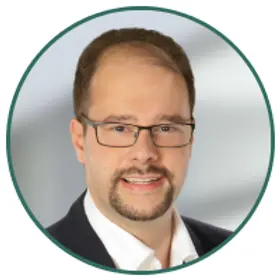
Michael Witting
Co-Head Metabolomics and Proteomics Core, Helmholtz Zentrum München, Germany
Dr Michael Witting is a trained analytical chemist and holds a PhD from the Technical University of Munich. In 2021 he started as Co-Head of the Metabolomics and Proteomics Core, Helmholtz Munich, leading the metabolomics team. His research interest is the development of novel analytical and data analytical methods for metabolomics analysis of different matrices, including blood microsamples, such as DBS. Together with Dr Helen Gika he coordinates the EU-funded HUMAN doctoral network exploring new ways for metabolomic analysis of blood and blood microsamples.
Neil Spooner
Director Spooner Bioanalytical Solutions & Chair Patient Centric Sampling Interest Group
Neil is the Founder of Spooner Bioanalytical Solutions, helping companies to integrate biological fluid microsampling, and patient centric sampling and analysis into workflows. He also works with organizations to develop technologies and introduce them to the market. Neil also assists organizations with their understanding of emerging trends in the pharmaceutical industry and bioanalysis. Neil is a Senior Visiting Research Fellow at the University of Hertfordshire, Editor in Chief of the journal, Bioanalysis, Founder of the Patient Centric Sampling Interest Group and Co-Chair of the Reid Bioanalytical Forum. He has published over 70 peer reviewed manuscripts and delivered over 50 podium presentations.
In association with