The DART study – a precision medicine approach to reducing treatment burden, cost and side effects
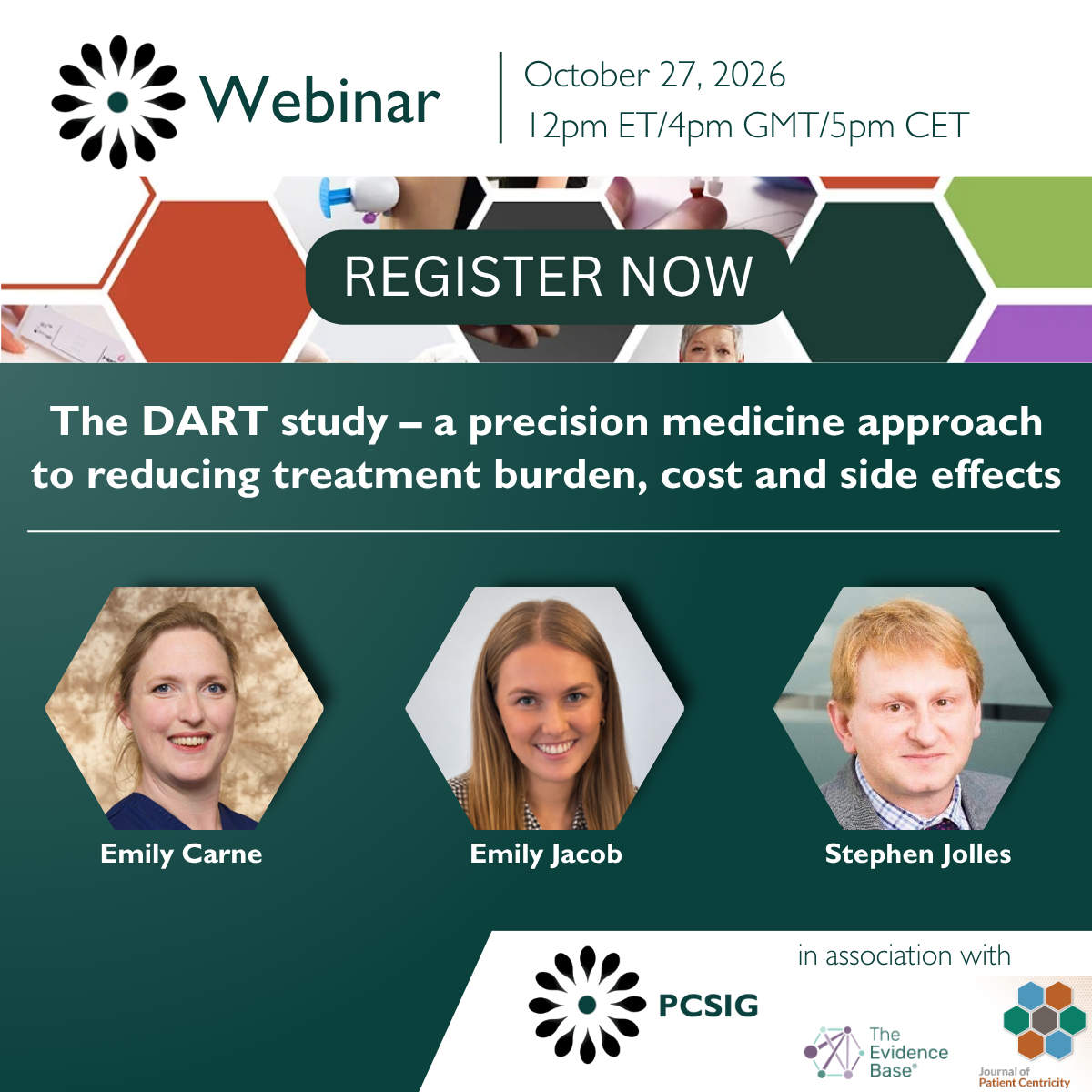
Tuesday October 27th, 2026 - 12pm ET, 5pm BST, 5pm CET
DBS PostAl remote immunoglobulin ReplacemenT monitoring (DART) Study Project
Dried blood spot (DBS) testing is a well-established method used for serological analysis, including infectious disease screening, autoantibody detection, and measurement of immunoglobulins. DBS samples are collected via a simple finger-prick, with blood applied to filter paper, dried, and posted to the laboratory without special transport requirements. Samples remain stable at room temperature for several days, and recent volumetric collection devices have improved analytical accuracy.
Compared with conventional venous blood sampling, DBS reduces the need for hospital visits, phlebotomy services, specialized transport, and associated costs, while improving patient convenience.
The DART study evaluated the accuracy and acceptability of DBS testing for monitoring IgG levels in patients with antibody deficiency receiving immunoglobulin replacement therapy (IgRT) across Wales. DBS results were compared with conventional blood samples over 12 months, alongside patient questionnaires assessing acceptability and potential reduction in treatment burden.
What you will learn
You will learn how dried blood spot (DBS) testing can be used to monitor IgG levels and how its accuracy compares with conventional venous sampling. The webinar also explores its potential to reduce patient burden, clinic visits, and healthcare resource use.
Speakers

Stephen Jolles
Consultant Clinical Immunologist & Honorary Professor, Immunodeficiency Centre for Wales and Adult SWAN Clinic, University Hospital of Wales & Noah's Ark Children's Hospital for Wales
Stephen Jolles is a Consultant Clinical Immunologist and Honorary Professor at the University Hospital of Wales. He is the Clinical Lead at the Immunodeficiency Centre of Wales and Co-Director of the Hub Immunology Diagnostic Laboratory of Wales. Dr Jolles trained in immunology and allergy and obtained his PhD on Langerhans cell migration at the National Institute for Medical Research, London. He has a particular interest in the clinical use of immunoglobulin and its mechanism of action and his research interests include the development of new therapeutic products, new screening strategies to improve the laboratory diagnosis of primary and secondary immunodeficiency and allergy, and better ways to monitor primary and secondary immunodeficiency disease and the impact of treatments.

Emily Jacob
Senior Research Officer and Clinical Scientist, Cardiff and Vale University Health Board
Emily Jacob is a Senior Research Officer and Clinical Scientist in Immunology at Cardiff and Vale University Health Board. Her work spans laboratory assay development, translational research and the application of extended genetic testing for primary immunodeficiency. She contributes to projects aimed at enhancing diagnostic pathways and patient-centered care through innovative laboratory technologies and collaborative research.
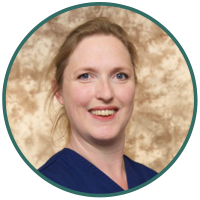
Emily Carne
Consultant Nurse Immunology & Allergy, Immunodeficiency Centre for Wales
Emily Carne is the Consultant Nurse in Immunology & Allergy Service for Wales in Cardiff. She has a particular interest in and has published on many aspects of primary immunodeficiency and allergy, including quality of life, home therapy and burden of treatment. She has been a committee member on BSI-CIAS, UKPIN, INGID, BSACI and chair of IANG. She received the first INGID award for worldwide services to Immunology in 2017 and won the RCN Wales Clinical Nurse Specialist of the Year in 2016. Her nursing team won a global patient safety day award in 2022.
In association with