
Where is PCS used?
Examples include, but are not limited to the following:

Pharmaceutical Development
PCS facilitates decentralised clinical trials, where biological samples such as blood or urine can be collected at a location of the patients choosing, such as at home, or a local Pharmacy, in addition to, or rather than a clinical facility.
View More
Pharmaceutical development is the process performed to test the safety and efficacy of novel medicines. This is carried out by pharmaceutical companies, academics and government agencies and involves clinical trials in healthy volunteers and patients.
PCS enables the unsupervised and unscheduled collection of biological samples in a location that is more convenient to the participant, i.e. the home, and in regions remote from routine healthcare facilities. In the case of blood sampling, smaller volumes facilitate sampling from vulnerable groups such as children, the elderly and the severely ill. Furthermore, the small volumes enable the collection of additional samples to give richer data sets and to gather data during clinical events. In addition, this approach may help with the recruitment and retention of participants in clinical trials. Another benefit is the possibility of generating cost savings if samples are shipped and stored at room temperature. However, the logistics of sample collection using this approach can be a challenge.
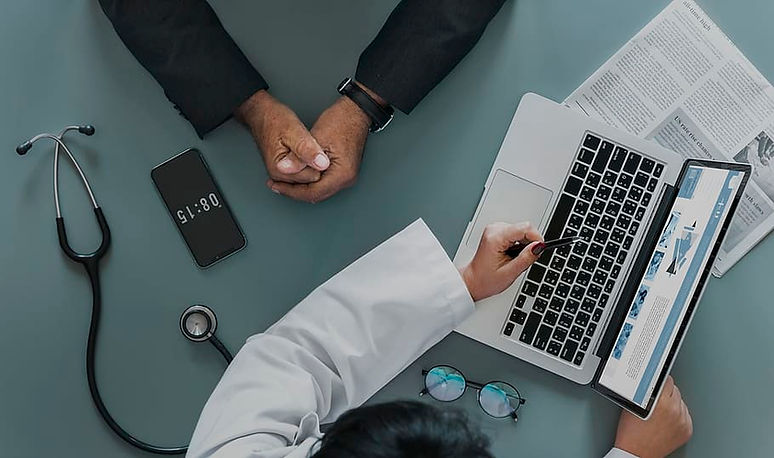
Physician-Led Healthcare
Empowering patients by enabling the collection of diagnostic and treatment-related samples in convenient locations, such as their own homes, rather than requiring them to visit a clinical facility for traditional methods like venepuncture.
View More
Physician-led healthcare involves healthcare professionals who are medically trained and certified to provide health services to individuals.
PCS in these circumstances enables the unsupervised and unscheduled collection of biological samples in a location that is more convenient to the patient, i.e. the home, and in regions remote from routine healthcare facilities. Furthermore, in the case of blood sampling, smaller volumes facilitate sampling from vulnerable groups such as children, the elderly and the severely ill. However, the logistics of sample collection using this approach can be a challenge.
In order to implement novel sampling approaches for physician-led healthcare, clinicians and regulators need to be assured that the information derived from their use is of acceptable quality to make medical decisions.
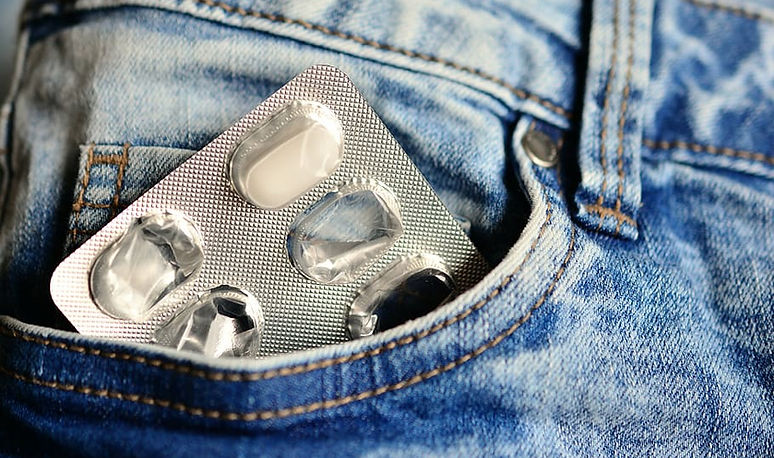
Consumer-Led Healthcare
Empowering individuals to obtain high quality clinical measurements at a time, location and frequency that suits them.
View More
Consumer-led healthcare refers to individuals who want to understand their state of health and wellness. With the growing market in personalized wellbeing, more companies are offering at home, or pharmacy-based wellness tests directly to consumers. Common categories of these tests include food sensitivity, diet and nutrition, liver health, fertility, among others. The wellness tests may be obtained directly by consumers through sources such as the internet or pharmacies.
Blood is used for many of these tests and can be self-collected by consumers through finger prick, or other devices placed on the upper arm. The collected samples are then sent to certified laboratories for testing. The level of the physician’s involvement and the integration of this approach into healthcare systems needs to be considered based upon local regulatory requirements.

Sport
Enabling performance monitoring and drug testing in sport through convenient low-volume sample collection for rapid analysis and obtaining results.
View More
Biological samples (which includes urine and blood, amongst others) can be collected by and from athletes for both monitoring their fitness and performance and as part of national and international sports dope testing programmes. The method of sampling needs to be both convenient and of minimal impact to the athlete. In the case of drug testing in sport, the integrity of the sample needs to be demonstrated.

Public Health
Governments and health systems offer community health and wellness programmes as well as occasionally needing to monitor their populations for infections, toxic contamination, etc., to ensure public safety, promote early intervention, and effectively manage potential outbreaks or public health crises.
View More
PCS approaches offer a convenient method for monitoring large numbers of people over broad geographical areas in a timely manner, through low volume sample collection that are not bound to clinics. The non-invasive nature of the PCS approaches allows for rapid, scalable data collection and analysis with increased participation rates, making it possible to detect and respond to public health threats more efficiently.